The 'Best 6' Instagram Private Account Viewer Tools: A Reality Check

Understanding Instagram's Privacy Settings
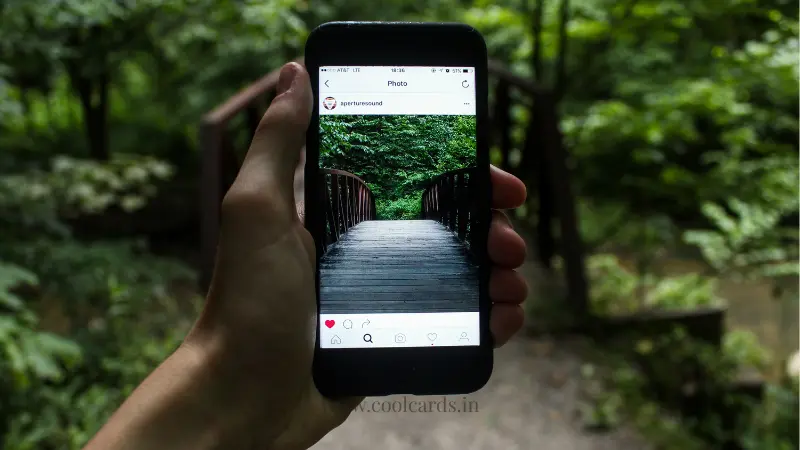
Instagram, like most major social media platforms, places a high priority on user privacy. When an Instagram user sets their account to 'private,' it means that only approved followers can view their posts, stories, and follower list. This fundamental setting is protected by robust security measures, including encryption and strict API access policies.
The privacy controls are a cornerstone of user trust and data security, designed to give individuals complete control over who sees their content. This is why any claim of being able to bypass these settings without the account owner's permission should immediately raise red flags.
The Myth of 'Instagram Private Account Viewer Tools'
In the digital landscape, countless websites and applications purport to offer solutions for viewing private Instagram profiles. These 'Instagram Private Account Viewer Tools' often appear enticing, promising a quick and easy way to access content that is otherwise restricted. However, it's crucial to understand that these tools operate under false pretenses.
Why These Tools Don't Work
- Security Protocols: Instagram's infrastructure is built with advanced security protocols that prevent unauthorized access. There is no known exploit or backdoor that legitimate tools can use to circumvent these protections.
- API Restrictions: Instagram's API (Application Programming Interface) only allows access to public data or data authorized by the user. Private account information is strictly off-limits to third-party applications without explicit user consent.
- Ethical & Legal Implications: Bypassing privacy settings would not only be a massive security flaw but also a significant violation of user privacy and potentially illegal. Instagram actively works to identify and shut down such malicious services.
The 'Best 6' Instagram Private Account Viewer Tools - A Critical Look
Despite numerous warnings, many users still search for and encounter these deceptive tools. Let's critically examine the common types of 'private viewer tools' you might find and why they fail:
1. Online Web Viewers (e.g., "InstaView Pro" type sites)
These are websites that claim to fetch private profile data simply by entering a username. They typically lead users through a series of 'human verification' steps, which often involve completing surveys, downloading suspicious apps, or providing personal information. The outcome is always the same: no private content is ever displayed, and the user's data might be harvested or their device infected.
2. Downloadable Desktop Software (e.g., "PrivateGram Bypass")
Apps requiring a download to your computer or phone are highly risky. They often contain malware, spyware, or viruses designed to steal your personal information, compromise your device's security, or inject unwanted advertisements. Such software cannot bypass Instagram's server-side security.
3. Mobile Apps on Unofficial Stores (e.g., "Secret Viewer APK")
While official app stores like Google Play and Apple App Store have strict guidelines, numerous third-party app stores host applications promising private profile access. These apps are almost always malicious, seeking extensive permissions that allow them to access your contacts, photos, messages, or even control your device remotely.
4. "Human Verification" Scams (e.g., "UnlockGram Now")
This is a common tactic where a tool claims to have found the private profile but requires 'human verification' to prove you're not a bot. This usually involves completing multiple spammy offers, entering your phone number for premium SMS subscriptions, or revealing sensitive data, none of which ever leads to viewing the private account.
5. Browser Extensions (e.g., "IG Private Peek")
Deceptive browser extensions can be particularly dangerous. While some extensions offer legitimate functionalities, those claiming to view private profiles can track your browsing activity, inject ads, or steal login credentials for various sites, including your own Instagram account.
6. AI/Machine Learning "Hacks" (e.g., "Profile Uncover AI")
With the rise of AI, some scams now claim to use advanced algorithms to 'predict' or 'decrypt' private profiles. This is simply a sophisticated-sounding guise for the same old phishing and data harvesting tactics. AI cannot bypass server-side security or legal data access restrictions on Instagram.
How to Legally View a Private Instagram Account
There are only two legitimate and ethical ways to view a private Instagram account's content:
- Send a Follow Request: The most straightforward method is to send a follow request. If the user approves your request, you will gain access to their private content.
- Ask Directly: If you know the person, you can simply ask them in person or through another communication channel if they would be willing to approve your follow request or share specific content with you.
Risks Associated with Using Private Viewer Tools
Engaging with any of these purported tools comes with significant risks:
- Malware and Viruses: Downloading software or apps from unofficial sources can infect your device.
- Phishing and Data Theft: These sites often attempt to trick you into revealing your Instagram login credentials or other personal information.
- Financial Loss: Some scams lead to unwanted subscriptions or charges on your phone bill.
- Account Compromise: Using these tools could put your own Instagram account at risk of being hacked or banned.
- Privacy Invasion: Paradoxically, attempting to invade someone else's privacy often results in your own privacy being compromised.
Conclusion
The pursuit of "Instagram Private Account Viewer Tools" is a dangerous and ultimately fruitless endeavor. Instagram's commitment to user privacy means there are no legitimate shortcuts to viewing private profiles without permission. Users should prioritize their online safety and privacy by avoiding these deceptive tools and respecting the privacy settings chosen by others. The only ethical and effective methods involve direct communication and mutual consent.