What is Visual Branding? Why It's Beyond Your Logo

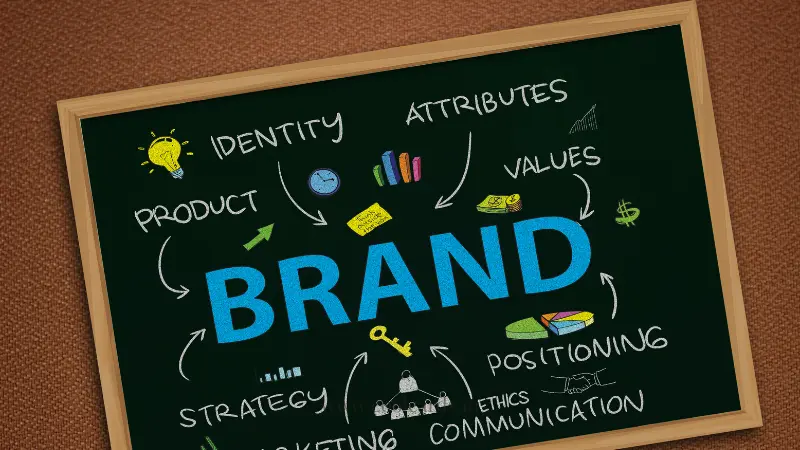
What is Visual Branding and Why It Matters More Than Your Logo
In today's competitive market, a strong brand presence is non-negotiable. While many businesses focus on creating a memorable logo, true brand power lies in a much broader concept: visual branding. It's the silent language of your business, communicating values, personality, and professionalism long before a single word is read. But what exactly is visual branding, and why does it extend far beyond the confines of a simple emblem?
Defining Visual Branding
Visual branding encompasses every visual element that represents your business. It's the cohesive collection of design elements that, together, form the recognizable face of your brand. Think of it as your brand's unique fingerprint, instantly identifiable and distinct from others. While your logo is a crucial component, it's merely one piece of a much larger, intricate puzzle.
- Color Palette: The specific set of colors used consistently across all brand touchpoints, evoking specific emotions and associations.
- Typography: The fonts and typefaces chosen for all communications, reflecting personality and readability.
- Imagery and Photography Style: The types of photos, illustrations, and graphic elements used, dictating mood, quality, and authenticity.
- Graphic Elements: Patterns, icons, shapes, and other design motifs that reinforce the brand's aesthetic.
- Layout and Composition: The way all visual elements are arranged and presented.
- Brand Voice & Tone (visually expressed): How the visual elements contribute to conveying the brand's personality, whether playful, serious, luxurious, or approachable.
Why Visual Branding Matters More Than Just a Logo
A logo is a symbol, a shortcut to recognition. But without the broader context of visual branding, its impact is significantly diminished. Here’s why a holistic approach is paramount:
1. Establishes Consistency and Recognition
A cohesive visual brand ensures that every interaction a customer has with your business—from your website to your social media posts, packaging, and even email signatures—looks and feels distinctly "you." This consistency builds familiarity and trust, making your brand instantly recognizable in a crowded marketplace.
2. Evokes Emotion and Builds Connection
Colors, shapes, and imagery speak directly to our subconscious. A well-crafted visual brand can evoke specific emotions, tell a story, and resonate deeply with your target audience, fostering a stronger emotional connection than a logo alone ever could.
3. Builds Trust and Professionalism
A polished, consistent visual identity signals reliability and attention to detail. It tells potential customers that your business is legitimate, established, and cares about its presentation, which translates to trust in your products or services.
4. Differentiates You from Competitors
In a sea of similar businesses, strong visual branding helps you stand out. It creates a unique identity that sets you apart, making your brand memorable and preventing it from blending into the background.
5. Supports Growth and Scalability
A robust visual brand guide (sometimes called a style guide or brand book) provides clear rules for how your brand should be presented. This is invaluable as your business grows, ensuring that new employees, partners, or agencies can maintain brand integrity without constant oversight.
Key Elements of a Visual Brand Guide
To maintain consistency and maximize impact, every business should develop a comprehensive visual brand guide. This document serves as the blueprint for your brand's visual identity.
- Logo Usage Guidelines: Clear rules on placement, sizing, minimum clear space, and approved variations.
- Color Palette: Primary, secondary, and accent colors with their exact HEX, RGB, and CMYK values.
- Typography System: Specifies fonts for headings, body text, and special applications, along with sizing and usage rules.
- Imagery & Iconography: Guidelines for photography style (e.g., bright and airy, moody and dramatic), illustration style, and approved icon sets.
- Brand Voice Visuals: How the brand's personality (e.g., friendly, authoritative, modern) is translated into visual elements.
- Application Examples: Mockups showing how the brand elements should appear on various touchpoints (website, business cards, social media, signage).
Visual Branding for Small Businesses
Many small businesses mistakenly believe that comprehensive visual branding is only for large corporations. However, a strong visual identity is perhaps even more critical for startups and SMEs, helping them punch above their weight and build credibility quickly. Investing in a professional brand identity design early on can save significant time and money in the long run by avoiding costly rebrands and inconsistent messaging.
Conclusion
Your logo is undoubtedly important, but it's just the tip of the iceberg when it comes to visual branding. A holistic and consistent visual identity system is a powerful asset that builds recognition, fosters emotional connections, establishes trust, and ultimately drives business growth. By understanding and strategically developing your visual brand, you empower your business to communicate effectively, stand out authentically, and forge lasting relationships with your audience.